How Concrete Walls Improve Structural Stability and Drainage
Local contractors specializing in concrete wall construction can help improve your property's structural stability and drainage by installing durable, effective walls tailored to your needs.
Understanding how concrete walls improve structural stability and drainage is essential for property owners seeking durable and reliable construction solutions. Concrete walls offer a solid framework that can withstand various stresses, helping to prevent shifting or collapsing over time. Additionally, they play a key role in managing water flow around a property, reducing the risk of flooding or erosion by directing drainage effectively. For those considering new construction or reinforcement projects, exploring how these walls enhance both safety and functionality can lead to smarter decisions. Local contractors specializing in concrete wall construction have the expertise to implement these benefits, ensuring that properties are built to last and perform well under different conditions.
Property owners in the area often explore this topic to protect and improve their investments, whether for residential, commercial, or landscape projects. Properly constructed concrete walls not only contribute to the long-term stability of structures but also help manage water runoff, which can be a common concern in many local environments. By working with experienced service providers, property owners can access tailored solutions that address specific site conditions and needs. Continuing to learn about how concrete walls improve structural stability and drainage can empower property owners to make informed choices that enhance safety, functionality, and value.
- Concrete wall construction services are often needed when enhancing the structural stability of retaining walls and foundations, with local contractors applying reinforced techniques to ensure durability. When drainage issues threaten to cause water buildup or erosion around a property, local service providers can install concrete walls that improve water flow and prevent damage. For projects requiring added support to withstand soil pressure or seismic activity, local pros use specialized concrete wall systems designed for strength and stability. In areas prone to flooding or heavy rainfall, concrete walls are constructed to facilitate proper drainage and reduce water infiltration, with experienced contractors tailoring solutions to site conditions. When reinforcing existing structures or creating new barriers, local contractors focus on precise construction methods that optimize both stability and drainage performance.
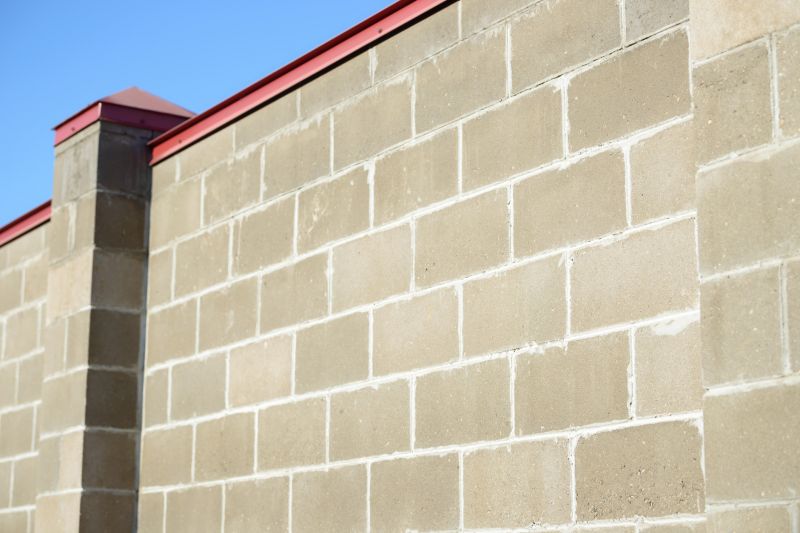
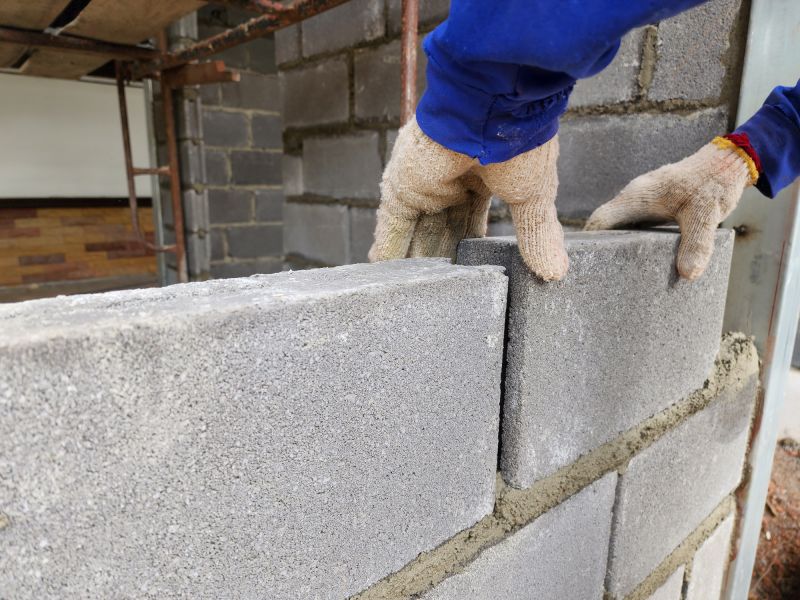
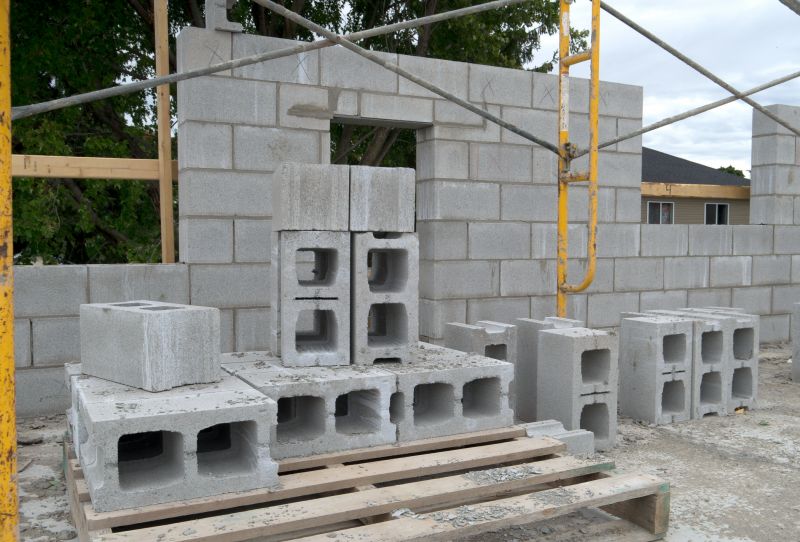
When people search for how concrete walls improve structural stability and drainage, they often want to understand how these features can enhance the durability and safety of their properties. Concrete walls are commonly considered in projects involving basements, retaining walls, foundations, or boundary enclosures. Homeowners and property managers may be exploring options to prevent shifting or collapsing of soil, especially in areas prone to heavy rain or shifting ground. These searches typically relate to plans for strengthening existing structures or designing new ones that can withstand environmental pressures while maintaining long-term stability.
This topic is closely connected to common property concerns such as soil erosion, water runoff, and foundation integrity. For properties located on sloped land, retaining walls built with concrete are a practical solution to hold back soil and prevent landslides or collapses. Additionally, drainage considerations are vital for preventing water from pooling around foundations, which can lead to basement flooding or structural weakening over time. When planning such projects, property owners often look for ways to incorporate concrete walls that not only support the soil but also facilitate proper water flow away from the structure, reducing potential damage and maintenance issues.
Concrete walls are frequently used in residential, commercial, and even some industrial properties. Homeowners may consider them for basement walls, garden enclosures, or yard boundaries, especially when durability and long-term stability are priorities. Commercial properties, such as warehouses or retail centers, often rely on concrete retaining or boundary walls to manage large-scale drainage and soil retention needs. These structures are also common in properties situated in areas with challenging terrain or high water tables, where the ability to control drainage and reinforce the foundation is crucial for ongoing stability.
Connecting property plans with concrete wall services involves understanding the role of local contractors who specialize in these systems. Experienced service providers can assess a property's specific needs-such as soil type, slope, and water flow-and recommend suitable concrete wall solutions. They handle the construction process, ensuring that the walls are properly designed to improve both structural stability and drainage. For property owners, working with nearby experts ensures that the project aligns with local conditions and building practices, ultimately providing a reliable and effective solution for maintaining property integrity over time.
Retaining wall projects - local contractors specializing in retaining walls use concrete to enhance stability and manage drainage around landscape features.
Foundation repair services - experts in foundation reinforcement often incorporate concrete wall solutions to improve structural integrity and water management.
Basement waterproofing projects - professionals in waterproofing utilize concrete walls to prevent water ingress and improve drainage in below-grade spaces.
Landscape boundary wall construction - service providers build concrete boundary walls that contribute to soil stability and effective water runoff control.
Erosion control installations - local specialists use concrete barriers to prevent soil erosion and support proper drainage in vulnerable areas.
Underground utility enclosures - contractors creating utility vaults or enclosures rely on concrete walls to ensure durability and effective water drainage management.
When evaluating concrete wall construction services, it’s important to consider the experience of local contractors with similar projects. Homeowners should seek service providers who have a proven track record in building concrete walls that enhance structural stability and drainage. Experienced contractors will understand the specific requirements of different soil types, load-bearing needs, and drainage considerations, ensuring that the walls are designed and constructed to effectively support the property’s foundation and manage water flow. Reviewing past work or seeking references can provide insight into a contractor’s familiarity with projects comparable to the homeowner’s, helping to ensure the chosen service provider has the necessary expertise to deliver durable and reliable results.
Clear and detailed written expectations are essential when comparing local contractors for concrete wall projects. Homeowners should aim to receive comprehensive descriptions of the scope of work, materials to be used, and the expected outcomes related to structural stability and drainage. Having a well-defined plan helps prevent misunderstandings and sets a benchmark for quality and performance. Service providers who communicate their process and expectations openly demonstrate professionalism and transparency, making it easier for homeowners to assess whether the contractor’s approach aligns with their project goals.
Reputable references and strong communication skills are key factors to consider when choosing a concrete wall construction service provider. Local contractors with positive references from previous clients can offer reassurance that they consistently deliver quality work and handle projects responsibly. Additionally, good communication ensures that homeowners can ask questions, express concerns, and stay informed throughout the process. This ongoing dialogue helps clarify how concrete walls will improve the property’s structural stability and drainage, and ensures that the project proceeds smoothly and according to plan.
Property owners often search for how concrete walls improve structural stability and drainage when they are planning practical projects around their homes and businesses. Local pros provide Concrete Wall Construction services for everyday jobs and straightforward project options.
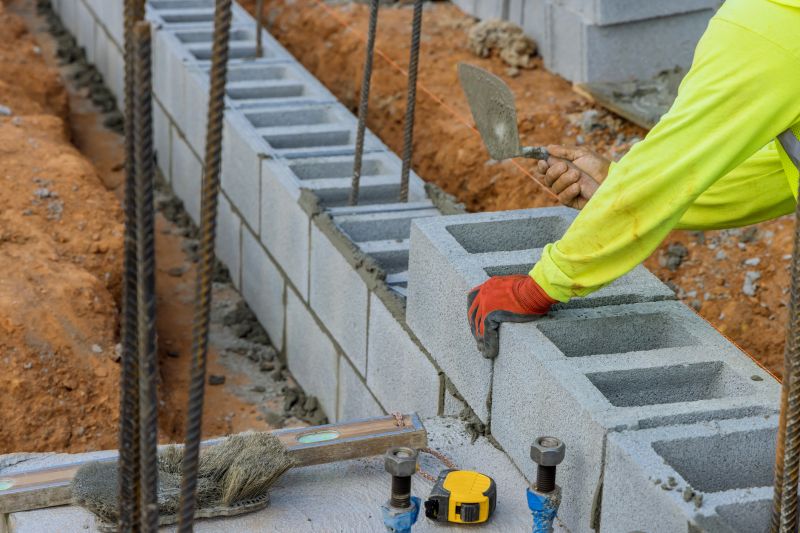
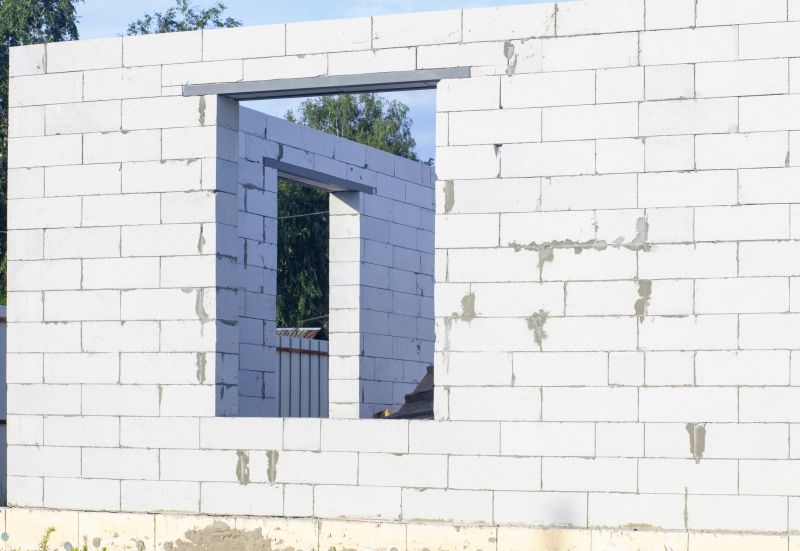
Concrete walls are a practical choice for property owners seeking to enhance the stability of their structures. In areas prone to shifting soil or heavy rainfall, these walls provide added support that helps prevent foundation issues and structural damage over time. Additionally, concrete walls are effective at controlling water flow around a property, reducing the risk of flooding or erosion. Local contractors experienced in concrete wall construction can assess specific site conditions and recommend solutions that improve overall stability and drainage, ensuring the property remains solid and dry even during adverse weather.
For many property owners, understanding how concrete walls improve structural stability and drainage is key to making informed decisions about their property’s long-term health. These walls can serve as retaining walls, holding back soil and preventing landslides, while also directing water away from foundations. By working with local service providers who specialize in concrete wall construction, property owners can access tailored solutions designed to meet their unique needs, helping to protect their investments and maintain the safety of their property.
How do concrete walls enhance the structural stability of a property? Concrete walls provide strong, durable support that helps resist shifting, settling, and environmental forces, contributing to the overall stability of a building or landscape. Local contractors can install these walls to reinforce foundations and prevent structural issues over time.
In what ways do concrete walls improve drainage around a property? Concrete walls can be designed with proper drainage features, such as weep holes or slopes, to direct water away from foundations and prevent water pooling. Skilled service providers can incorporate drainage solutions into the wall construction for effective water management.
Why is the durability of concrete important for long-term stability and drainage? The durability of concrete ensures that walls maintain their strength and functionality over many years, resisting cracking and deterioration that could compromise stability or drainage performance. Local pros use quality materials to ensure lasting results.
Can concrete walls be customized to fit specific site conditions for better stability and drainage? Yes, concrete walls can be tailored in design, thickness, and drainage features to suit different site conditions, helping to optimize stability and water flow management. Experienced contractors can assess the site and customize the construction accordingly.
What role do local contractors play in ensuring concrete walls effectively improve stability and drainage? Local contractors bring expertise in site assessment, proper installation techniques, and drainage integration, ensuring concrete walls provide reliable support and water management tailored to the specific needs of the property.
Reinforcing foundations - property owners can work with local contractors to install concrete walls that provide added stability to building foundations, reducing shifting or settling over time.
Implementing drainage solutions - concrete walls can be designed with drainage channels or weep holes, which local service providers can incorporate to help manage water flow around structures.
Creating retaining walls - property owners can utilize concrete retaining walls to prevent soil erosion and maintain landscape stability, especially on sloped properties.
Enhancing basement or underground space stability - local pros can construct concrete walls that support underground areas, preventing water intrusion and structural movement.
If you are thinking about how concrete walls improve structural stability and drainage for a property, this guide is meant to help you understand this topic, the typical project types, and how different options might fit your plans.
When you are ready, you can use the quote form on this page to share a few details about your project. From there, local pros can review the basics and follow up with options that match what you have in mind.