Concrete Retaining Walls vs Concrete Poured Walls: What’s the Difference?
People searching for retaining wall and concrete poured wall installation are typically looking to build durable, functional barriers or structures, and local contractors can help determine the best type and handle the installation efficiently.
If you’re exploring options for enhancing your property’s landscape or managing uneven terrain, understanding the differences between concrete retaining walls and concrete poured walls is a smart place to start. Property owners in the area often consider these structures for purposes like preventing erosion, creating level outdoor spaces, or adding visual appeal. Knowing which type of wall best suits specific needs can help ensure a durable and effective solution. Local contractors specializing in retaining wall and concrete poured wall installation can provide insights tailored to your property’s unique requirements, making it easier to make informed decisions.
As you delve into the details of concrete retaining walls versus concrete poured walls, it’s helpful to consider factors like strength, appearance, and installation considerations. Whether building a sturdy barrier or a foundation wall, understanding the practical differences can influence the overall outcome of the project. Service providers in the community are experienced in working with both options and can assist property owners in choosing the right approach for their landscape or structural goals. Keep reading to discover more about these options and how local experts can help bring your vision to life.
Get Quotes for Retaining Wall And Concrete Poured Wall Installation
- Retaining wall installation - needed when structural support is required to hold back soil and prevent erosion, with local contractors customizing solutions for specific site conditions.
- Concrete poured wall installation - suitable for foundation or basement walls where seamless, monolithic concrete structures are preferred, with local service providers ensuring proper reinforcement and finishing.
- Retaining wall construction - chosen for landscape or property boundary projects to create level areas, with local pros designing and building durable, visually appealing walls.
- Concrete poured wall installation - often selected for foundation or structural walls in new construction or renovation projects, with local contractors focusing on strength and stability.
- Retaining wall installation - ideal for sloped terrains or terraced landscapes, with local service providers offering tailored solutions to meet soil and aesthetic needs.
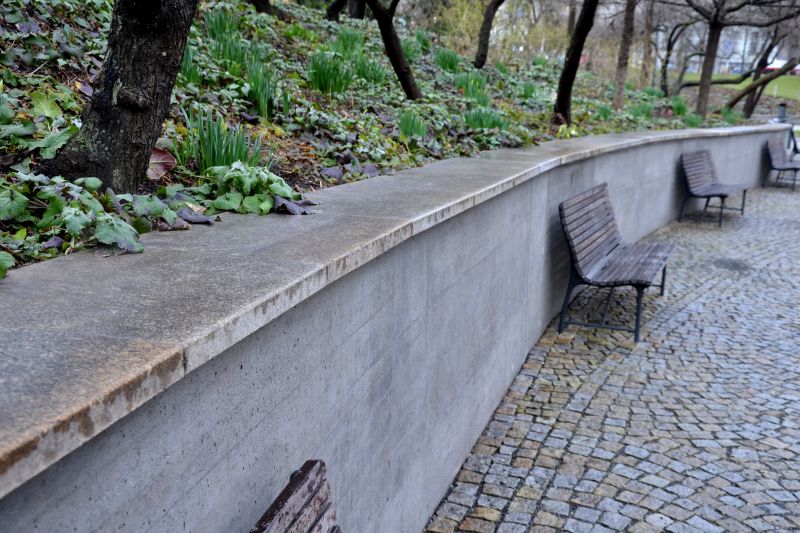
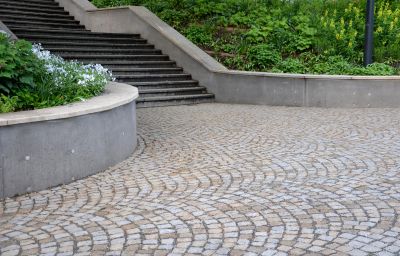
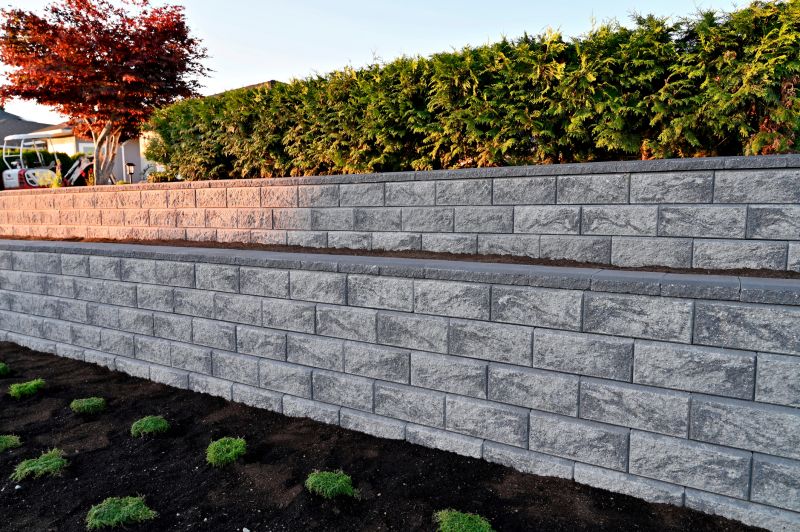
When homeowners search for information on concrete retaining walls versus concrete poured walls, they are typically trying to understand the fundamental differences between these two types of concrete structures. This comparison often arises during planning for landscape improvements, property leveling, or erosion control projects. People may be considering a retaining wall to hold back soil on a sloped yard or to create a level outdoor space, while concrete poured walls are more commonly associated with foundational work or basement construction. Clarifying these distinctions helps property owners determine which solution best fits their specific needs and how each type can support their overall property plans.
The topics of concrete retaining walls versus concrete poured walls are closely linked to common property issues and development plans. Retaining walls are frequently used in projects where soil stability and landscape aesthetics are priorities, such as terraced gardens, hillside properties, or uneven terrains. Conversely, concrete poured walls are integral to structural elements like basements, foundation walls, or underground spaces that require strong, continuous barriers. These projects often involve addressing problems like soil erosion, flood prevention, or creating additional usable space. Local contractors specializing in either type of wall provide expertise to help homeowners choose and install the right solution for their property’s unique challenges.
Properties that typically come up in discussions about these concrete structures include residential yards, commercial landscapes, and multi-level properties. Homes with sloped or uneven land often need retaining walls to prevent soil movement and maintain a stable landscape. Large residential lots or properties with significant elevation changes may benefit from these structures to create level areas for patios, gardens, or driveways. On the other hand, properties undergoing new construction or renovation that require foundation work will often involve concrete poured walls, especially in basements or underground structures. Local service providers can assess these properties to recommend the most suitable type of wall, ensuring the project addresses both functional needs and long-term durability.
Understanding the differences between concrete retaining walls and concrete poured walls helps homeowners visualize how each fits into their property plans. Retaining walls are typically constructed with blocks, panels, or poured concrete, designed to hold back earth and create tiered landscapes. Concrete poured walls are seamless, monolithic structures that form the foundation or basement walls of a building, providing structural integrity and support. When planning a project, it’s essential to consider factors like soil conditions, load requirements, and aesthetic preferences. Local contractors who specialize in either type of wall can provide guidance on the best approach, ensuring that the chosen structure will effectively serve its purpose and withstand the demands of the property environment.
Landscape construction projects - installing features like garden beds and terraces often requires understanding of retaining structures and concrete forms, which local contractors can provide expertise in.
Foundation repair services - work involving concrete pouring and structural stability shares skills with retaining wall and poured wall installations, ensuring proper support and durability.
Driveway and sidewalk installation - creating durable concrete surfaces involves planning and pouring techniques similar to those used in poured wall construction by local service providers.
Erosion control projects - implementing solutions to manage soil stability often involves building retaining structures, requiring similar planning and concrete skills as retaining wall installation.
Basement and foundation wall construction - these projects demand precise concrete pouring and formwork, aligning closely with the techniques used in poured wall and retaining wall services.
Retaining wall repair and reinforcement - restoring or strengthening existing retaining structures involves similar assessment and concrete work skills as new wall installations by local contractors.
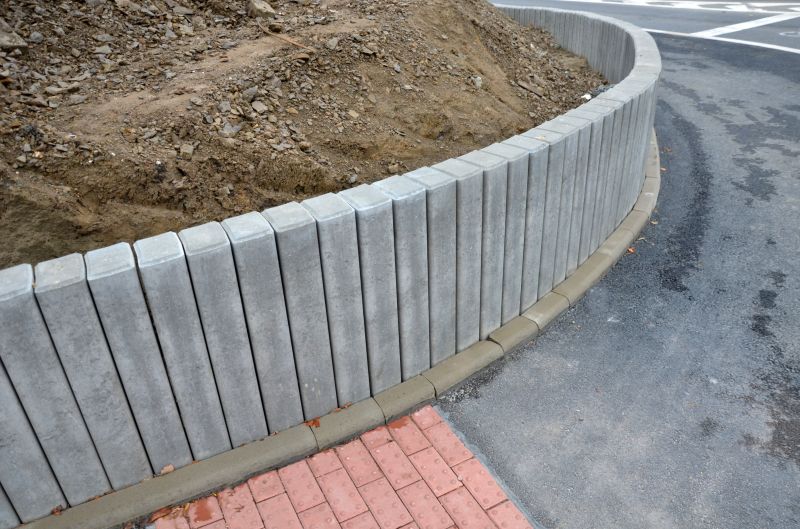
When comparing service providers for concrete retaining walls versus concrete poured walls, it’s important to consider their experience with similar projects. Homeowners should inquire about the types of retaining wall or poured wall installations the contractor has completed in the past, ensuring they have a history of handling projects of comparable scope and complexity. An experienced contractor will be familiar with the specific challenges and best practices associated with each type of wall, which can impact the durability and performance of the finished work.
Clear written expectations are essential when evaluating local contractors. Homeowners should seek detailed proposals that outline the scope of work, materials to be used, and the estimated process for installation. This transparency helps prevent misunderstandings and ensures that both parties are aligned on project goals. Establishing these expectations early can also make it easier to compare contractors based on the thoroughness of their planning and communication.
Reputable references and effective communication are key factors in choosing the right service provider. Homeowners should ask for references from previous clients who had similar projects completed, to gain insight into the contractor’s reliability and quality of work. Additionally, responsive and clear communication throughout the consultation process indicates a contractor’s professionalism and willingness to address questions or concerns. These qualities can significantly influence the overall experience and the success of the retaining wall or poured wall installation.
Get a Quote for Retaining Wall And Concrete Poured Wall Installation
Property owners often search for concrete retaining walls vs concrete poured walls: what’s the difference? when they are planning practical projects around their homes and businesses. Local pros provide Retaining Wall and Concrete Poured Wall Installation services for everyday jobs and straightforward project options.
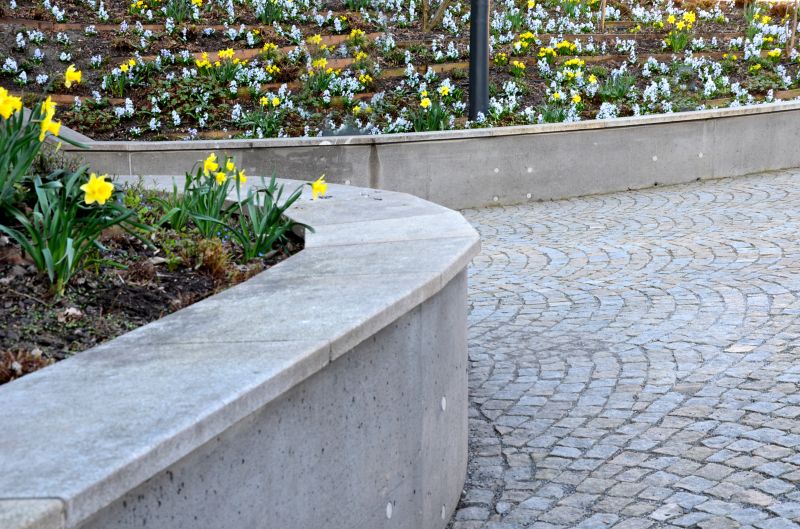
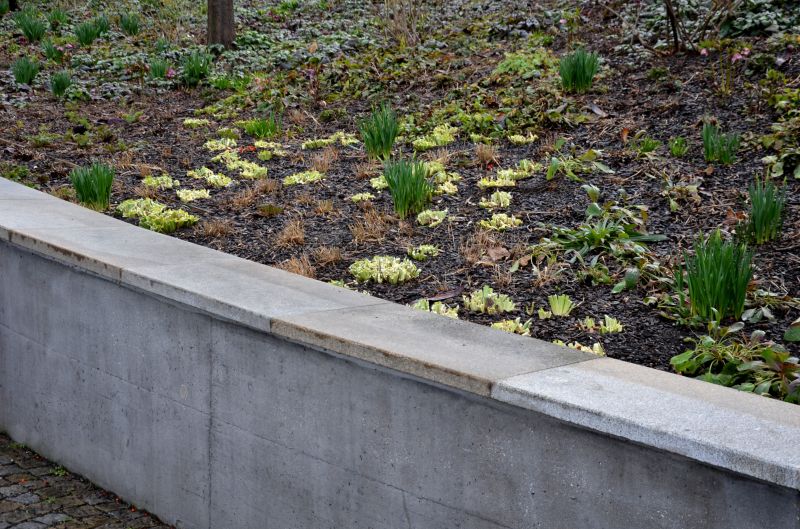
Understanding the differences between concrete retaining walls and concrete poured walls can help property owners make informed decisions for their landscaping and construction projects. For those dealing with uneven terrain, slope stabilization, or property boundaries, retaining walls are often considered to prevent soil erosion and create level areas. Many local contractors offer installation services for these structures, providing options that balance durability, appearance, and project size. Meanwhile, concrete poured walls are typically used in foundational applications, such as basements or structural supports, offering a seamless and sturdy option for supporting larger loads or creating enclosed spaces.
Property owners researching these options may want to connect with local service providers who specialize in either type of wall. Retaining wall installation specialists can advise on materials and design features suited to specific landscape needs, while concrete poured wall experts can assist with foundation and structural projects requiring precision and strength. Both types of services are available through experienced local contractors capable of handling the different requirements and complexities involved, ensuring the right solution is chosen for each project’s goals.
Get a Quote for Retaining Wall And Concrete Poured Wall Installation
What is the main difference between concrete retaining walls and poured walls? Concrete retaining walls are designed to hold back soil or other materials and often feature a specific structural shape, while poured walls are typically used as foundation walls or structural elements in buildings, made by pouring concrete into forms.
How do the installation processes for concrete retaining walls and poured walls differ? Installing retaining walls involves constructing a stable structure with blocks, panels, or poured concrete, often requiring reinforcement and drainage considerations. Poured walls are created by forming and pouring concrete in a continuous process, usually requiring formwork and reinforcement for structural integrity.
What factors influence the choice between a concrete retaining wall and a poured wall? Factors include the purpose of the wall, site conditions, load requirements, aesthetic preferences, and the type of soil or terrain, with local contractors able to recommend the best option based on these considerations.
Are there different maintenance needs for concrete retaining walls compared to poured walls? Yes, retaining walls may need periodic inspection for signs of shifting or erosion, while poured walls generally require less ongoing maintenance but should be checked for cracks or structural issues over time.
Can local contractors help determine whether a concrete retaining wall or poured wall is better for a specific project? Absolutely, experienced service providers can assess the site and project goals to recommend the most suitable type of wall and handle the installation efficiently.
Understanding material differences - Property owners can learn how concrete retaining walls and poured walls use different construction methods to suit various structural needs in their projects.
Choosing the right wall type - Deciding between a retaining wall and a poured wall helps homeowners address specific landscape or foundation requirements with the help of local contractors.
Assessing installation options - Knowing how each wall type is installed allows property owners to plan for durability and appearance in their outdoor spaces or building foundations.
Matching projects to wall types - Property owners can identify which wall style best fits their landscape or structural goals by consulting local service providers experienced in both options.
If you are thinking about concrete retaining walls vs concrete poured walls: what’s the difference? for a property, this guide is meant to help you understand this topic, the typical project types, and how different options might fit your plans.
When you are ready, you can use the quote form on this page to share a few details about your project. From there, local pros can review the basics and follow up with options that match what you have in mind.
Get a Quote for Retaining Wall And Concrete Poured Wall Installation